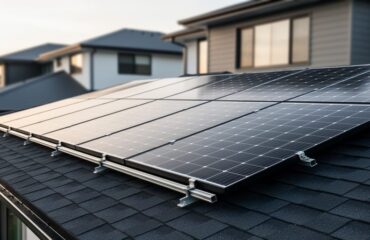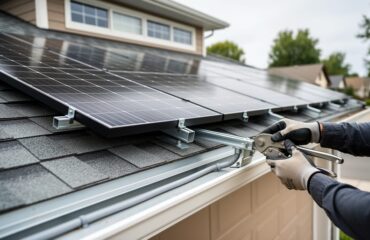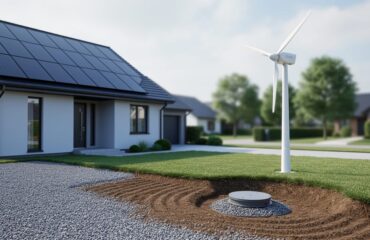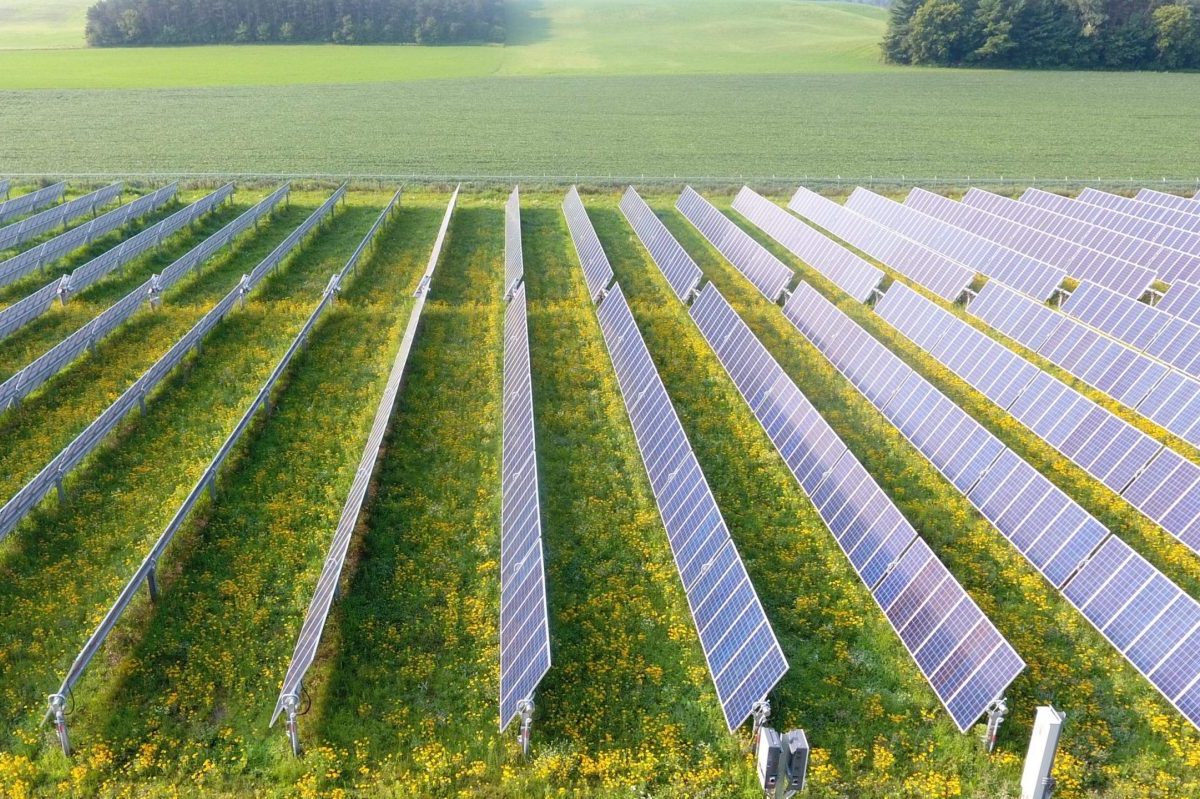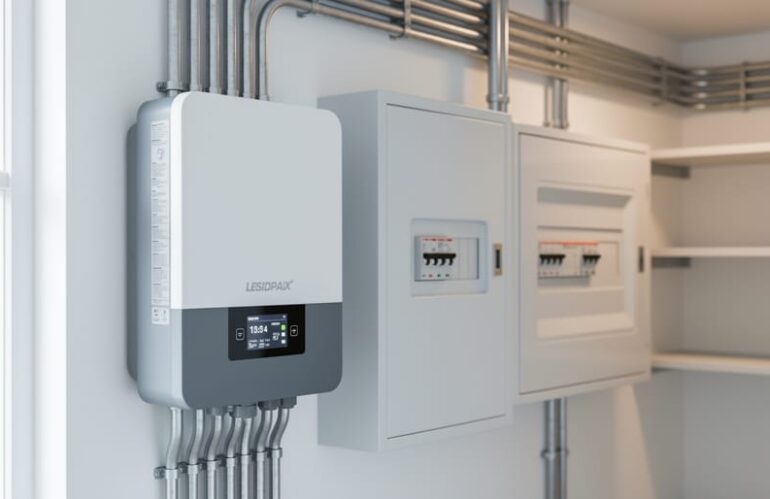
A renewable energy systems group designs, installs, and maintains the equipment that turns sunlight, and sometimes wind or stored power, into electricity for your home or business. Hiring one means a single team handles the whole project: assessing your site, sizing the system, pulling permits, installing panels and batteries, and connecting everything to the grid. Most residential installs take a few days of on-site work, though planning and approvals usually stretch the full timeline to several weeks.
Why does that matter? Because solar is a long-term investment, and the quality of the installer shapes how well it performs for 25 years or more. A well-designed system can cut your electric bill sharply, and incentives and financing options often bring the upfront cost down to a manageable level. Many owners find their monthly loan payment lands close to what they were already paying the utility, except now they own an asset that adds value to the property.
There’s an environmental payoff too. Every kilowatt-hour you generate on your roof is one that doesn’t come from a fossil-fuel plant.
This guide walks through what these groups actually do, how installation unfolds step by step, what it costs, how to compare providers, and how to keep your system running at its best.
What a Renewable Energy Systems Group Actually Does
Design, Installation, Maintenance, and Planning Under One Roof
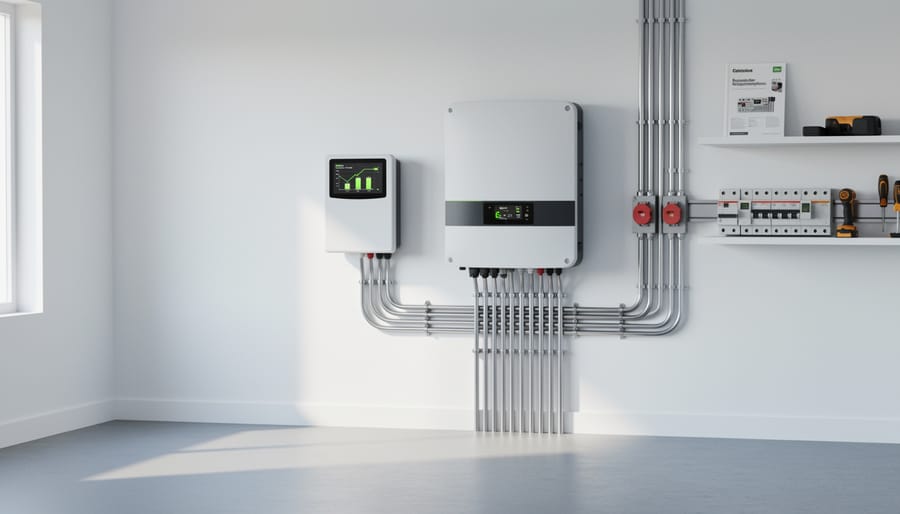
A good renewable energy systems group treats your project as one continuous journey rather than four separate jobs. It starts with a site assessment and design: the team studies your roof, shading, and energy habits, then sizes a system to match. Next comes installation, handled by the same people who drew up the plan, so nothing gets lost in translation. After activation, ongoing maintenance keeps output steady, and strategic planning helps you decide when to expand, add storage, or adjust as your needs change.
Continuity matters because every stage informs the next. A designer who knows the installers can spot a tricky roof angle before it becomes a costly change order. A maintenance crew that has the original plans can diagnose a dip in production in minutes instead of hours. That saves money and protects the output you’re counting on.
A few terms come up often along the way:
- Energy audit
- A review of how and when you use electricity, which shows where you can save before sizing a system.
- System design
- The custom plan that decides panel placement, equipment, and capacity based on your site and usage.
- Photovoltaic (PV) system
- The set of solar panels and related equipment that turns sunlight into electricity.
- Inverter
- The device that converts the direct current from your panels into the alternating current your home or business uses.
- Net metering
- A billing arrangement, offered in many areas, that credits you for extra power your system sends back to the grid.
Knowing these basics makes conversations with any provider far easier.
Who Benefits: Homes, Businesses, and Industrial Sites
Solar isn’t one-size-fits-all, and a good renewable energy systems group knows that the goals behind each project look very different.
For homeownersthe draw is usually simple: lower, more predictable monthly bills. Picture a family of four running air conditioning all summer. They don’t need a sprawling system, just one sized to their actual usage and roof, with a payment structure that keeps the numbers comfortable. Their questions tend to be practical. How much will I save? How long until it pays off? Who do I call if something seems off?
For businessesthe focus shifts toward stability. A retail shop with long lighting hours and refrigeration can’t easily absorb swings in utility costs. Generating its own power helps flatten those swings, which makes budgeting easier. Many owners also like that solar signals a real commitment to sustainability, something customers increasingly notice.
For industrial sitesthe picture gets bigger and more strategic. A manufacturing facility might be mapping out energy goals five or ten years ahead, balancing heavy loads, expansion plans, and long-term cost control. Here, phased installation and careful planning matter as much as the panels themselves.
Different needs, same advantage: one team that understands your situation from the start.
How Renewable Energy System Installation Works, Step by Step
Why Custom System Design Matters
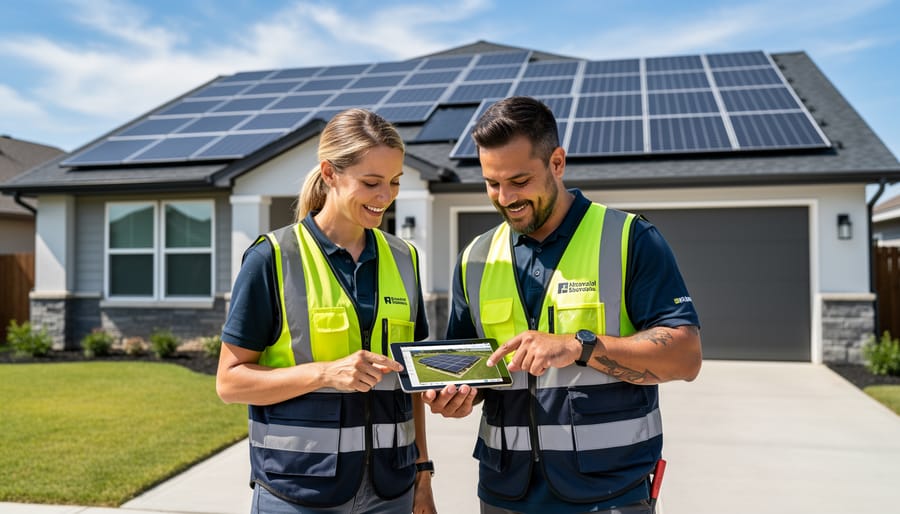
A system that looks perfect on paper can still underperform on your roof. That’s why a custom design matters. Roof orientation, tilt and shading decide how much sunlight your panels actually collect, while your daily energy habits and future plans, like an electric vehicle or a home addition, decide how big the system should be. A good team weighs all of it, much like a solar engineering blueprint that keeps every component working together. Even small details count: research on shading-aware rooftop layout shows that where panels sit relative to shadows affects overall output.
Sizing is where one-size-fits-all packages tend to slip. An oversized system ties up budget in panels you can’t fully use, while an undersized one leaves you paying the utility for power you meant to generate yourself. A tailored design avoids both by matching production to how you really live or operate.
Here’s how the design process typically unfolds:
- Consultation and energy review: we look at your bills and usage patterns to understand your goals.
- Site assessment: we check roof condition, orientation, shading and electrical setup.
- Custom system design: we size the system and lay out panels for your property and future needs.
- Financing and approvals: we match payment options to your budget and confirm the plan.
- Permitting: we handle paperwork and utility coordination.
- Installation: certified crews build the system to the approved design.
- Inspection and activation: the system is verified, approved and switched on.
- Monitoring and follow-up: we track performance and keep it running at its best.
Each step builds on the one before it, which is why the design stage shapes everything that follows.
What to Expect on Installation Day and After
Most residential installs take one to three days on site, though the full journey from signed agreement to switched-on system usually runs several weeks. Much of that time goes to paperwork, so a good group handles permits and ensures compliance with local permit requirements before the crew ever arrives.
To prepare, clear access to your roof, driveway, and electrical panel, and let the team know about pets or any sensitive work hours. Facility managers should also confirm who can authorize brief power interruptions. Expect some noise, but a tidy crew will clean up as they go.
After installation, a local inspector reviews the work. Once it passes, your utility grants permission to operate, and the team activates the system and walks you through monitoring. If you’d like a closer look at each stage, our step-by-step solar process guide covers it in detail.
Making the Numbers Work: Costs, Financing, and Long-Term Savings
How Strategic Financing Keeps Projects on Budget
A good renewable energy systems group doesn’t just hand you a price tag. It works backward from your budget to shape the project. That might mean right-sizing the system, installing in phases, or choosing a payment structure that fits your cash flow. Strategic financing turns solar from a someday idea into a plan you can start now.
Before you commit, it helps to see what a typical 5kW solar cost looks like, then compare the main ways to pay for it.
| Financing approach | Best suited to | Upfront cost | Ownership | Key consideration |
|---|---|---|---|---|
| Cash purchase | Owners with available savings | High | You own the system | Fastest payback, no interest |
| Loan | Homeowners wanting ownership without a large lump sum | Low to none | You own the system | Monthly payments, interest applies |
| Lease or power purchase agreement | Those who prefer minimal upfront spending | Low to none | Provider owns the system | Lower savings over time, long contract |
| Commercial project financing | Businesses and larger sites | Varies by structure | Usually you own the system | Can be phased to match growth |
The right choice depends on your goals, so ask your provider to walk through each option with your numbers.
A Success Story: From Rising Bills to Predictable Costs
Picture a small family-run bakery that kept seeing its electric bill climb every season. The owners weren’t against solar, but they worried about the upfront cost and didn’t know where to begin. This is an illustrative scenario, not a specific client record, but it reflects how these projects often unfold.
A renewable energy systems group started with the bakery’s actual usage. Ovens and refrigeration ran early in the day, so the team sized the system around that morning demand instead of guessing. The design placed panels on the south-facing roof, where shade from nearby buildings was minimal. Because the group also handled planning, it mapped out a strategy to maximize solar ROI by pairing the right system size with the bakery’s schedule.
Financing was the missing piece. Instead of paying everything upfront, the owners chose a structure that kept monthly payments close to what they already spent on electricity. Their power costs became predictable, and they could plan their budget with confidence.
The payoff went beyond savings. The bakery now runs on cleaner energy, and the owners proudly tell customers so.
How to Choose the Right Renewable Energy Systems Group
Questions to Ask Before You Sign
A good renewable energy systems group won’t mind a long list of questions. In fact, how they answer tells you most of what you need to know. Before signing, ask how the system was sized for your actual energy use, what the financing options look like at different budgets, and exactly who you call if something goes wrong after installation. Get every answer in writing so you can compare proposals on equal terms.
Here are the questions that come up most often:
What warranties come with the system?
Ask for the equipment warranty terms, including the panels and inverter, and a separate workmanship warranty covering the installation itself. Make sure you know who handles claims and how long each coverage lasts.
Is maintenance included, and what does it cover?
Find out whether inspections, cleaning, and repairs are part of a plan or billed separately. A group that offers ongoing maintenance keeps your system performing long after installation day.
What is the realistic timeline from signing to activation?
Ask for a step-by-step schedule covering design, permits, installation, inspection, and utility approval. Clear milestones help you plan around the project.
How will I monitor my system’s performance?
Ask what monitoring tools are included so you can track production and spot dips early. Good visibility makes it easy to confirm your system is delivering the savings you expected.
Keeping Your System Performing: Maintenance Tips That Pay Off
A solar system is built to run quietly for decades, but a little attention keeps it performing at its best. Think of it like a car: it will run without care for a while, yet regular check-ins protect your investment and catch small issues before they get expensive.
Start with cleaning. Dust, pollen, bird droppings, and leaf debris can cut into your output, especially in dry or dusty areas. In many climates, rain does most of the work, but a gentle rinse with a hose or a soft brush now and then helps. Skip harsh chemicals and pressure washers, and stay off a steep or high roof. If you’re unsure, a professional cleaning is safer and inexpensive.
Next, keep an eye on production. Most modern systems come with a monitoring app or inverter display that shows how much energy you’re generating. Check it every few weeks. If your numbers drop noticeably compared with the same season last year, that’s your cue to look closer. A sudden dip often points to something simple, like a tripped breaker or a shaded panel.
Speaking of shade, watch for change. A tree that was small at installation can cast real shadows a few years later, and even partial shading on one panel can drag down a whole string. Trim branches when needed, and note any new nearby construction.
Schedule a professional inspection every year or two. A technician can check wiring, mounting hardware, connections, and inverter health, spotting wear you’d never see from the ground. Call for service right away if you see error codes, unusual noises, visible damage, or a sharp, unexplained drop in output.
This is where choosing a group that offers maintenance really pays off. Ongoing care isn’t an extra, it’s part of the investment. One team that knows your system from design through service can diagnose problems faster and keep your savings steady for years.
The Bigger Picture: Environmental Impact and Energy Independence
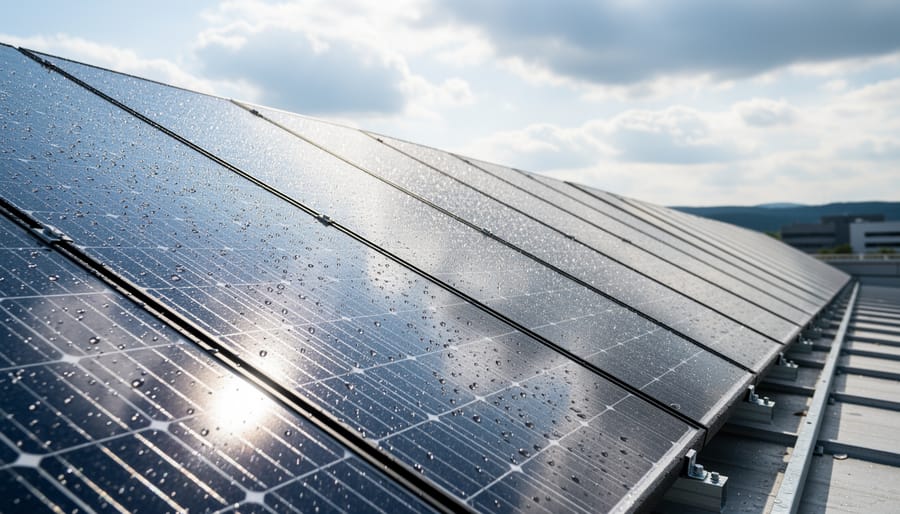
A solar project doesn’t stop at the electric bill. Every kilowatt-hour your system produces is one you don’t pull from a grid that still leans heavily on fossil fuels. Over the years, that adds up to a real reduction in your household’s or company’s carbon footprint, and you get there simply by powering your day with sunlight.
There’s a practical side to this, too. When you generate your own electricity, you gain a measure of independence. Utility rates can shift from year to year, and a well-designed system gives you a steadier handle on what your energy will cost down the road. For a business, that predictability makes budgeting easier. For a family, it means fewer unpleasant surprises when the bill arrives.
Add battery storage or smart energy planning, and you can go further, keeping more of your power available when you need it most. That’s the kind of long-term thinking a renewable energy systems group brings to the table.
Think of it as a quiet win on two fronts. You’re cutting your environmental impact while taking more control of your finances. Few upgrades to a home or facility offer both, and fewer still keep paying off for decades.
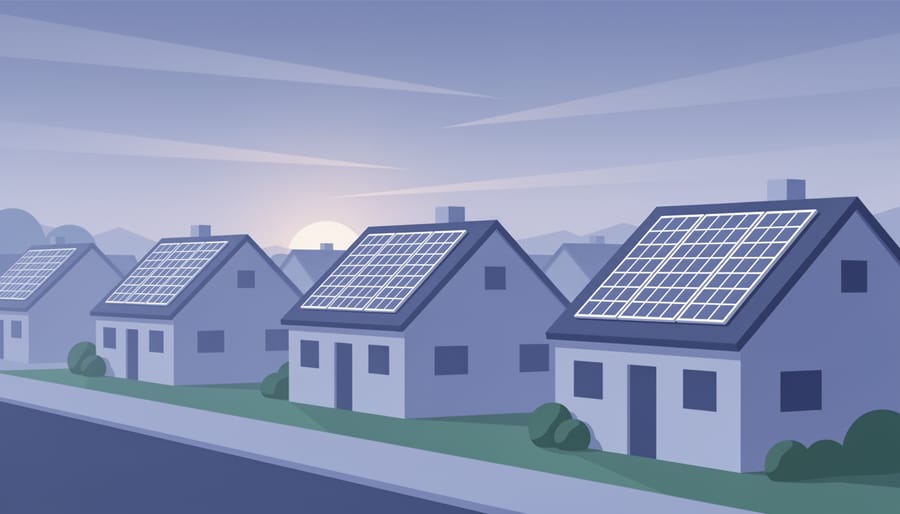
Going solar doesn’t have to feel like a gamble. The right renewable energy systems group takes the guesswork out of the process by handling design, installation, maintenance, planning, and financing support as one connected effort. Instead of juggling several contractors and hoping everything lines up, you work with a single team that stays accountable from the first site visit to years of steady performance.
That continuity is what protects your investment. A system designed around your actual energy use, installed with care, and maintained properly will keep delivering savings and cleaner power long after the panels go up. Add a financing plan that fits your budget, and solar moves from “someday” to “doable.”
If you’re ready to see what that could look like for your home or business, the next step is simple. Request a consultation or energy assessment with Jumping Cable Solar Homes, and take the first confident step toward energy you can count on.