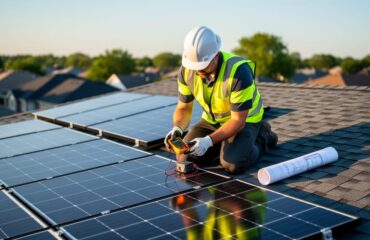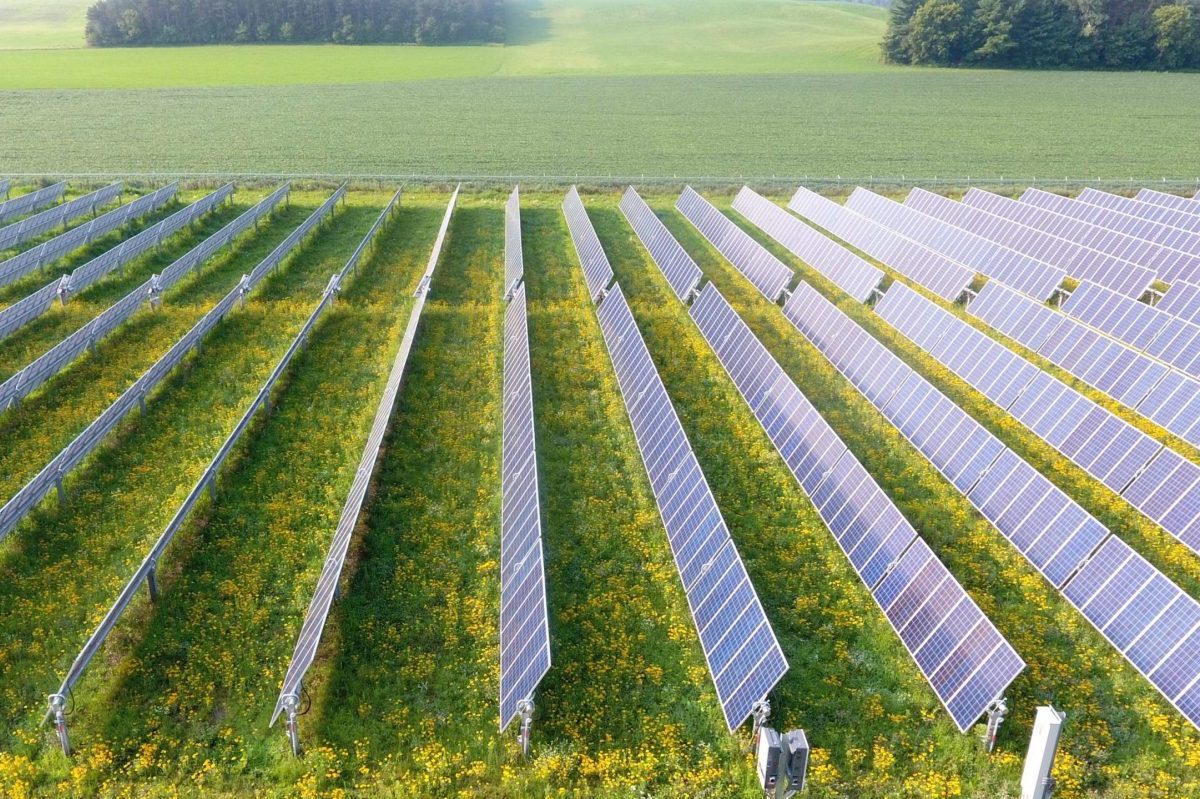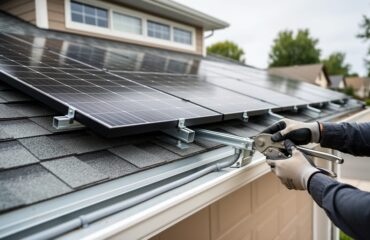
Renewable project financing transforms the challenge of upfront solar installation costs into manageable payment structures that align with your energy savings, making clean power accessible whether you’re a homeowner eyeing rooftop panels or a business planning a ground-mounted array. Instead of paying tens of thousands of dollars at once, you gain access to specialized loans, leasing arrangements, power purchase agreements, and community solar subscriptions that let you adopt renewable energy with little to no money down.
The core advantage of modern renewable financing lies in its flexibility. Solar loans function like home improvement financing, allowing you to own the system and claim available incentives while spreading payments over time. Leases and power purchase agreements eliminate ownership responsibilities entirely, transferring maintenance and performance risk to the provider in exchange for predictable energy costs. Property-assessed clean energy programs attach repayment to your property tax bill, while community solar opens participation to renters and those with unsuitable rooftops.
Financial accessibility no longer stands as a barrier to renewable adoption in 2026. Industry veterans report that properly structured financing often results in immediate positive cash flow, where monthly loan or lease payments fall below the energy bill savings generated by the system. The key lies in understanding which mechanism serves your specific situation: credit profile, property ownership status, tax appetite, and long-term energy goals all influence the optimal path forward.
This guide breaks down each financing option without assumptions or fabricated figures, providing the decision framework you need to evaluate proposals confidently and move from interest to installation with clarity.
Understanding Renewable Project Financing Fundamentals
Renewable project financing operates on fundamentally different principles than traditional lending. While a conventional loan evaluates your ability to repay borrowed money, renewable project financing considers the investment as an income-generating asset that produces measurable returns through reduced energy costs. This shifts the focus from pure debt service to analyzing cash flow, energy savings, and long-term value creation.
The core difference lies in how these projects pay for themselves. A solar installation reduces or eliminates electricity bills from day one, creating a predictable stream of savings that functions like revenue. Financing structures built for renewable projects account for this energy production, treating the system’s output as a financial asset rather than just equipment you’ve purchased. This approach makes renewable energy accessible to those who might not qualify for large traditional loans based solely on creditworthiness.
Several key principles make renewable projects financially viable even with borrowed capital. First, energy production creates predictable, quantifiable value that offsets financing costs. Second, renewable systems have minimal operating expenses compared to conventional energy sources, meaning savings compound over time. Third, various incentive programs reduce the effective cost, improving project economics regardless of your chosen financing method.
Strategic planning connects these elements into a coherent financial picture. You must consider your current energy costs, projected savings, available incentives, tax situation, and timeline for occupying the property. A homeowner planning to stay in their residence for many years may prioritize different financing features than a business with near-term expansion plans. Understanding how upfront investment translates into long-term returns through your specific circumstances determines which financing path makes sense, rather than simply choosing the option with the lowest interest rate or smallest monthly payment.
Types of Financing Options for Renewable Energy Projects
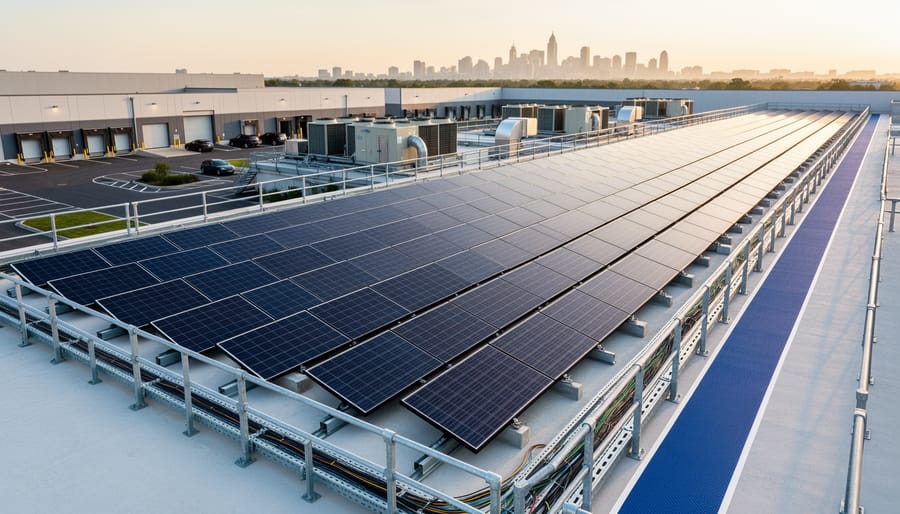
Direct Purchase and Cash Financing
Paying cash for a renewable energy system eliminates interest charges and financing fees, which can represent significant savings over time. When you purchase your solar installation outright, you own the system immediately and capture the full value of any electricity it generates from day one. You also maintain complete control over the equipment, including decisions about maintenance, upgrades, or eventual system expansion.
The most compelling financial advantage comes from federal and state tax incentives. Direct ownership makes you eligible for the Investment Tax Credit and applicable state programs, which can substantially reduce your effective project cost. Unlike financed arrangements where third parties may claim these benefits, cash purchasers receive the full incentive value directly. This approach works particularly well if you have sufficient tax liability to utilize the credits in the year they’re claimed.
Cash financing makes strategic sense when you have available capital that won’t compromise your emergency reserves or other financial priorities. Businesses with strong cash flow often find this route appealing because it simplifies accounting and lower costs over the system’s lifespan compared to debt financing. The immediate ownership also means you start realizing return on investment immediately rather than waiting through loan repayment periods.
Solar Loans and Green Financing Programs
Solar loans and green financing programs offer a middle path between cash purchases and third-party arrangements, letting you own your system while spreading costs over time. These specialized products differ from conventional loans because lenders understand that renewable installations increase property value and generate measurable savings, often structuring terms to align payments with energy bill reductions.
Secured solar loans use your system or property as collateral, typically offering lower rates because the lender’s risk decreases. These work well when you have equity to leverage and want to minimize interest costs over the loan term. Unsecured options require no collateral but generally carry higher rates, making them suitable when you prefer not to encumber assets or when your project size doesn’t justify a secured arrangement.
Qualification usually hinges on creditworthiness, debt-to-income ratio, and sometimes home equity rather than the renewable technology itself. Many programs have become more accessible as lenders recognize solar and wind installations as proven investments rather than experimental upgrades. Some green financing initiatives from credit unions and specialized lenders also weigh your energy savings potential into approval decisions.
When comparing loan offers, evaluate these factors carefully:
- Total interest paid over the loan life versus energy savings
- Whether monthly payments fit comfortably within reduced utility costs
- Prepayment penalties or flexibility to pay down principal early
- How the loan affects your ability to claim tax credits and incentives
- Origination fees or other upfront charges that increase effective cost
The key advantage of loan financing is preserving ownership benefits. You claim all tax incentives directly, capture the full value of energy production, and increase your property’s worth without splitting equity with a third party. Once paid off, your system generates free power for years while lease or PPA customers continue making payments to external owners.
Power Purchase Agreements (PPAs)
A Power Purchase Agreement lets you install solar panels with zero upfront cost by partnering with a third-party owner who builds, owns, and maintains the system on your property. You simply agree to buy the electricity it generates at a predetermined rate, typically lower than your current utility price. The developer handles installation, insurance, monitoring, and repairs throughout the contract term (often 20 to 25 years), removing the burden of system ownership while delivering immediate savings on your monthly energy bills.
The core trade-off is straightforward: you exchange ownership benefits for immediate accessibility. With a PPA, you won’t claim federal tax credits or depreciation advantages since you don’t own the equipment, and the contracted rate usually includes small annual escalators that gradually increase your cost per kilowatt-hour. However, you avoid capital expenditure, eliminate maintenance worries, and start reducing energy costs from day one without navigating financing applications or warranty claims.
PPAs work best when you value predictable, hassle-free energy costs over maximizing long-term financial returns. They’re particularly attractive for organizations that can’t fully utilize solar tax incentives (like nonprofits or municipalities), businesses that prefer to preserve capital for core operations, or property owners uncertain about long-term occupancy. Before signing, review your third-party ownership contract carefully, paying attention to escalation rates, transfer terms if you sell the property, and what happens at contract end (buyout, renewal, or removal options).
Lease Agreements for Solar and Renewable Systems
Solar leases allow you to use a renewable energy system installed on your property without purchasing it. You make fixed monthly payments to the leasing company, which owns and maintains the equipment. Unlike PPAs where you pay for the electricity generated, lease payments remain constant regardless of system performance.
The leasing company typically handles all maintenance, repairs, and monitoring throughout the lease term. This predictability appeals to homeowners who want to avoid unexpected expenses, though you sacrifice the ownership benefits that come with direct purchase or loan financing. At the lease end, you can usually extend the agreement, purchase the system at fair market value, or have it removed.
For businesses, leases may complicate building sales since the system ownership doesn’t transfer with the property. Homeowners face similar considerations if they sell before the lease expires, the new owner must either assume the lease or you’ll need to buy out the remaining term. Commercial leases often involve larger systems with more complex contract structures than residential agreements.
Before committing to a lease, compare the total payments over the lease period against loan costs and potential ownership savings. Review who’s responsible if system performance falls short of projections, and understand any escalation clauses that might increase your payments over time.
Property Assessed Clean Energy (PACE) Financing
Property Assessed Clean Energy programs offer a distinctive financing structure that ties renewable energy investments to the property itself rather than the individual owner. Unlike traditional loans that remain with the borrower, PACE financing is repaid through property tax assessments, which means the repayment obligation transfers with property ownership if you sell.
This structure creates both advantages and considerations. The financing typically extends over longer terms than conventional loans, potentially matching or exceeding the system’s useful life. For commercial properties especially, PACE can preserve working capital while enabling substantial energy upgrades. The tax assessment mechanism may also allow businesses to benefit from immediate expense deductions rather than capitalizing costs.
However, PACE availability varies significantly by location. Many states and municipalities don’t offer programs, and where they exist, eligibility requirements differ. Lenders sometimes view PACE assessments cautiously since they take priority over mortgage liens, which can complicate refinancing or property sales. Before pursuing PACE, confirm program availability in your area, understand how it affects your property’s title, and consult with both tax advisors and mortgage holders to avoid complications down the line.
Commercial and Industrial Financing Structures
Large-scale renewable installations demand financing structures that accommodate substantial capital requirements while optimizing tax benefits and risk distribution. Tax equity arrangements pair investors who can utilize renewable energy tax credits with project developers who need upfront capital, creating partnerships where each party benefits from their respective strengths. These structures work particularly well for commercial solar arrays and wind projects that generate significant investment tax credits.
Green bonds offer another avenue for institutional-scale financing, allowing companies to raise capital specifically for environmental projects while demonstrating corporate sustainability commitments to stakeholders. Organizations with strong credit ratings can access competitive rates through this mechanism.
Commercial real estate investment trusts focused on renewable energy enable property owners to monetize clean energy assets while retaining operational control. Meanwhile, equipment financing and sale-leaseback arrangements provide liquidity for businesses that want to deploy capital elsewhere while still benefiting from on-site renewable generation.
Institutional lenders increasingly offer specialized products for commercial renewable projects that consider long-term power purchase agreements as collateral, recognizing the predictable revenue streams these contracts create. The right structure depends on your organization’s tax position, balance sheet capacity, and strategic priorities around asset ownership versus immediate savings.
How to Choose the Right Financing Strategy for Your Project
Selecting the right financing strategy requires a systematic evaluation of your specific circumstances rather than defaulting to the most common option. The best approach balances your immediate budget constraints with your long-term financial objectives while maximizing the benefits your particular situation offers.
Start by assessing these critical factors in order:
- Calculate your available upfront capital and monthly budget capacity. Understanding what you can allocate immediately versus over time narrows your viable options considerably.
- Define your ownership priorities. Decide whether controlling the asset matters more than minimizing initial costs, as this determines whether purchase-based or third-party ownership models serve you better.
- Evaluate your tax position with a qualified professional. Your ability to claim tax credits and depreciation benefits significantly affects which financing structures deliver the most value.
- Consider your timeline for occupying the property. Shorter timelines typically favour options with minimal commitment, while long-term ownership rewards strategies that maximize solar ROI through ownership.
- Project your energy needs over the system’s lifespan. Growing energy demands may justify different financing than stable or declining usage patterns.
- Review your credit profile and borrowing capacity. This determines loan terms you’ll qualify for and whether alternative structures might offer better access.
Commercial projects introduce additional complexity. Businesses should examine cash flow cycles, depreciation schedules, shareholder expectations, and how renewable investments align with sustainability commitments. A manufacturing facility with significant tax liability approaches financing differently than a nonprofit organization that cannot use tax credits directly.
Working with financial advisors experienced in renewable energy projects proves invaluable. Generic financial planners may understand traditional lending but miss nuances like how different financing structures affect your ability to claim incentives or how escalation clauses in agreements compound over decades. Seek advisors who can model multiple scenarios showing total cost of ownership, net present value, and payback periods under each option.
The right strategy emerges when you match financing mechanisms to your actual constraints and goals rather than accepting a one-size-fits-all solution. What works for your neighbor’s residential installation may not suit your commercial building, and what made sense last year may not optimize your current tax situation.
Maximizing Incentives and Tax Benefits
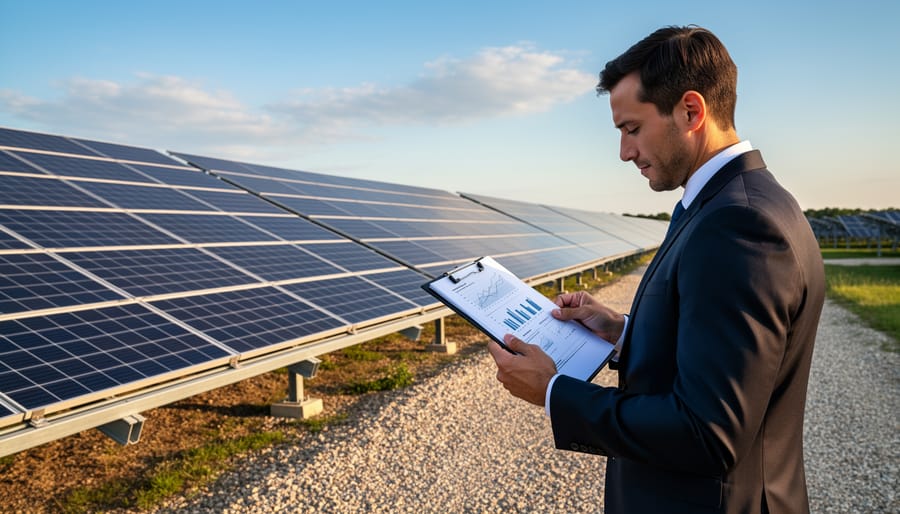
Strategic financing unlocks maximum value when paired with available incentives, but the landscape shifts regularly as programs evolve and new opportunities emerge. Understanding how to layer benefits while maintaining eligibility requires careful planning aligned with your broader energy cost strategy.
Federal programs remain the foundation for most renewable projects. The Investment Tax Credit continues as a primary benefit, though the percentage and structure depend on when you begin construction and which technologies you deploy. Direct purchase typically offers the clearest path to federal tax benefits since you own the system outright, but certain loan structures preserve these advantages while spreading costs over time. PPAs and leases transfer tax benefits to the third-party owner, which is factored into your pricing.
State and local incentives vary dramatically by location and update frequently. Some states offer additional tax credits, rebates tied to system size or performance, or accelerated depreciation schedules for commercial installations. Others provide sales tax exemptions or property tax carve-outs that prevent your assessment from increasing when you add renewable capacity. Your financing structure can affect eligibility, certain rebate programs require system ownership, excluding leased arrangements.
Utility-sponsored programs add another layer. Net metering policies, performance-based incentives that pay per kilowatt-hour produced, and demand response programs each carry specific requirements. Some work seamlessly with any financing approach; others favor particular ownership models.
The sequence matters when stacking benefits. Applying incentives in the wrong order can reduce total value or create unexpected tax complications. For instance, some rebates must be subtracted from your system cost before calculating federal credits, while others don’t affect that calculation.
This complexity explains why tax professionals familiar with renewable projects prove invaluable. Generic tax software won’t capture nuances specific to your situation, your entity structure, existing tax position, multi-year benefit timing, and state-specific rules all influence the optimal approach. The professional guidance investment typically pays for itself many times over through preserved benefits and avoided mistakes.
Success Story: Commercial Client Achieves Energy Independence Through Strategic Financing
When a regional logistics company approached Jumping Cable Solar Homes, they faced a familiar dilemma: their energy costs were climbing steadily, cutting into already thin margins, yet they couldn’t allocate hundreds of thousands upfront for a complete solar installation. Their sustainability goals clashed with budget reality.
The solution came through layered financing. Rather than choosing a single approach, the team structured a hybrid arrangement that matched different aspects of the project to appropriate funding sources. The company secured a low-interest green business loan for the core rooftop array, preserving ownership and federal tax benefits that directly offset their liability. For additional ground-mounted panels on less critical property, they entered a power purchase agreement, eliminating capital requirements while still reducing their electricity costs from day one.
This combination addressed their cash flow constraints while maximizing long-term value. The owned portion generated immediate tax advantages and built equity, while the PPA portion required zero down payment and came with performance guarantees from the third-party owner.
According to the financing specialist who coordinated the project, the key was treating each building and use case separately rather than forcing everything into one financing model. “Commercial clients often assume they need to choose one path,” she explained. “But projects with multiple components can benefit from multiple structures, each optimized for different financial objectives.”
Within the first year, the company saw measurable reductions in operating expenses. More importantly, they had created a replicable model for their other facilities, demonstrating how strategic financing transforms renewable adoption from an aspirational goal into practical business planning.
Common Financing Pitfalls and How to Avoid Them
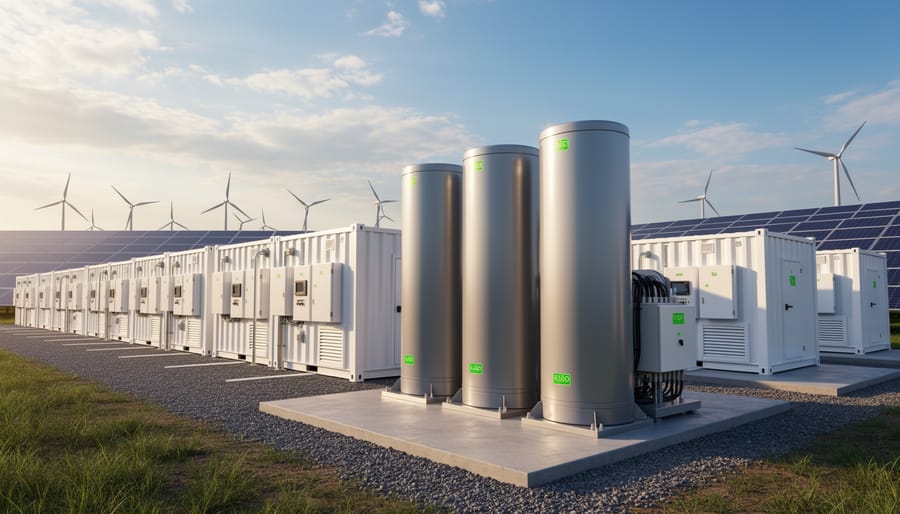
Even well-intentioned project owners make costly mistakes when navigating renewable financing. Understanding common pitfalls helps you avoid delays, unexpected expenses, and contracts that limit your benefits.
One frequent error is focusing solely on monthly payment amounts rather than total project economics. A low monthly payment might seem attractive, but if it extends over decades or includes escalation clauses, you could pay significantly more than the system’s actual value. Always calculate the total cost across the contract term and compare it to the expected energy savings and system lifespan.
Contract terms deserve careful scrutiny before signing any financing agreement. Many owners gloss over maintenance responsibilities, performance guarantees, system ownership transfers, and early termination penalties. These provisions directly affect your long-term costs and flexibility. Take time to understand who handles repairs, what happens if production falls below projections, and whether you can sell your property without complications.
Watch for these warning signs when evaluating financing offers:
- Pressure to sign immediately without time for independent review
- Vague or missing performance guarantees and warranty details
- Reluctance to provide total cost figures or payment schedules in writing
- Complex escalation formulas that make future costs unpredictable
- Restrictions on system modifications or future equipment upgrades
Another pitfall involves ignoring how financing structures affect your eligibility for incentives. Some arrangements transfer tax benefits to third parties, while others preserve them for you. If you choose a financing option that doesn’t align with available incentives in your area, you leave money on the table.
Underestimating ongoing costs creates budget surprises years into your project. While solar systems require minimal maintenance compared to traditional energy sources, they still need occasional cleaning, monitoring, inverter replacements, and performance optimization. Factor these expenses into your financial projections alongside your ROI planning to ensure realistic expectations.
Finally, failing to work with experienced professionals who understand both renewable technology and financing structures can lead to mismatched solutions. The right partner helps you navigate technical requirements, financial products, and regulatory considerations simultaneously.
Working with Strategic Financing Partners
Choosing a strategic financing partner shouldn’t feel like navigating a maze alone. The right partner does more than arrange funding, they evaluate your specific energy goals, property characteristics, and budget constraints to recommend solutions that actually fit. Companies offering integrated services handle everything from initial site assessment through installation and ongoing maintenance, which means fewer vendors to coordinate and clearer accountability when questions arise.
Look for partners who start with questions rather than sales pitches. They should ask about your energy usage patterns, future expansion plans, and timeline preferences before suggesting financing structures. This consultative approach helps identify whether ownership through loans, third-party arrangements like PPAs, or hybrid models make the most sense for your situation. The best partners explain trade-offs honestly, what you gain in lower upfront costs versus what you might sacrifice in long-term savings.
Before committing, ask potential partners how they handle system performance monitoring and what happens if output falls below projections. Request references from clients with similar project scales and verify their licensing credentials. Find out whether they work exclusively with certain lenders or offer multiple financing channels, giving you genuine choice rather than a single predetermined path.
Integrated solutions often prove valuable because your financing partner already understands the system they’re helping fund. This alignment makes it easier to develop strategies to lower operational costs while maximizing return. The partner should provide transparent documentation showing projected savings scenarios, explaining assumptions behind the numbers rather than just presenting optimistic forecasts.
Ultimately, strategic financing partnerships work best when both parties focus on long-term success rather than quick transactions.
The landscape of renewable project financing has transformed dramatically, opening pathways that didn’t exist a decade ago. What once seemed accessible only to large corporations or cash-rich homeowners now welcomes participants across the economic spectrum. Whether you’re managing a tight household budget or steering a business through competitive markets, financing structures exist that can align solar or renewable installations with your specific situation.
The environmental imperative remains urgent, but you don’t have to sacrifice financial stability to answer it. Strategic financing converts what appears as a barrier into an opportunity, spreading costs across timeframes that mirror the energy savings you’ll realize. The key lies in understanding which mechanisms serve your goals rather than accepting a one-size-fits-all solution.
Taking action starts with assessment. Review your tax position, evaluate your long-term property plans, and consider how ownership priorities intersect with your budget. Partnering with experienced providers who offer transparent guidance makes this process manageable rather than overwhelming.
Renewable energy isn’t a luxury reserved for the fortunate; it’s an accessible investment in both environmental stewardship and economic resilience. The financing tools are here. The question is which combination unlocks your project without stretching your resources beyond comfort.