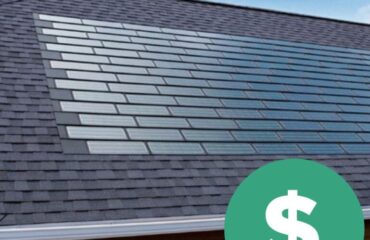
PV Panel Mounting
If you are thinking of becoming an installer this article will give you a taste of what’s involved, but you’ll still have plenty to learn. There are many job opportunities associated with PV installers, but you may have to go through an apprentice training program under the guidance of a qualified electrician to secure your standing in the business. This article is only intended to cover the basic steps involved with the PV mounting process.
STEP 1 Choose
a practical mounting site... The optimal orientation in the Northern hemisphere
is South with a pitch normally equal to the latitude of the location. This
orientation normally receives the maximum amount of sunlight throughout the
year. Unfortunately flush mounting on a roof is often preferred
and there will be times when a choice must be made between mounting panels on
the East or West slope of a roof. Since the amount of radiant energy available
is an important concern Measuring Sunshine
may be your next step..
STEP 2 Use a stud finder to find roof rafters. Mark the rafter positions on the roof with a chalk line. Install the mounting plates on the guide lines, about 4 feet apart. Use 3/8" stainless steel lag bolts to attach the mounting plates to the rafters, but be sure to drill pilot holes into the rafters first so the wood does not split. Silicone calking may be used to waterproof the area around the mounting plates.
STEP 3 Secure the mounting post to the mounting plate.
STEP 4 Secure the rails to the mounting posts.
STEP 5 Attach the panels to the rails. The bottom of the panel should be spaced about 5" from the roof.
STEP 6 Connect the conduit wires from the panel array to the inverter.
Most
large solar panel arrays use 8 gauge wire that can easily
carry more than 60 Amps of current. If you are not an experienced electrician
get help before making the final connections. Installing panels on a ceramic tile roof is
difficult. As a matter of fact most contractors will not attempt a tile roof
installation. Instead they will remove the tiles and install a more
conventional asphalt roof first.
There will be times when a flush mounted array will not be practical and you'll be forced to attach the mounting rails to long mounting posts.PV installations as of 2010 are designed to pay for themselves between 5 and 10 years and they are expected to become more cost effective in the future, but they will never generate savings until they are installed.

What does the book say about mounting photo-voltaic panels on the roof of a vehicle?
Your guess is as good as mine on this one...